




The endocannabinoid system (ECS) has important effects on systemic metabolism and physiological systems, including the central and peripheral nervous systems.
The ECS is a complex cell signaling system that includes cannabinoid receptors (CBBs), endocannabinoid molecules and their metabolic enzymes in a wide variety of organ systems. CBRs have a differential expression throughout the human body.
CB1 receptors
are mainly localized in the central and peripheral nervous system, where they modulate the release of neurotransmitters in the presynaptic part of neurons ( ). CB1 receptors have been linked to the psychotropic activities of THC .
On the other side are
CB2 receptors located mainly on peripheral organs and on immune cells such as monocytes , macrophages, basophils, lymphocytes and dendritic cells, where they are involved in immunological reactions and in the control of inflammation Activation of cannabinoid receptors by phyto- and synthetic cannabinoids has been shown to be involved in cellular homeostasis and the Pathophysiology of organ/systems such as the liver.
Interestingly, although most cannabinoids turn out to be agonists of CB1 and/or CB2 receptors, CBD has no agonistic affinity for CB1 or CB2 receptors.


| Phytocannabinoids | ||||
| THC Tetrahydrocannabinol | CB 1 (CB 2 – agonist) | Gaoni and Mechoulam (1964) , Felder et al. (1995), Showalter et al. (1996), Rinaldi-Carmona et al. (1994), Rhee et al. (1997) | ||
| (CBD)
Cannabidiol |
No activity in CB1 , inverse agonist in CB2 , strong antagonism of CB1 and CB2 agonists , modulator of α1 – adrenoreceptor, inhibition of AEA uptake and metabolism, TRP1A – agonist | Adams et al. (1940) , Mechoulam and Shvo (1963) , Showalter et al. (1996), Jarai et al. (1999), Pertwee et al. (2002) , Bisogno et al. (2001) , Thomas et al. (2007) , De Petrocellis et al. (2011) | ||
| Cannabivarine (cannabivarol) | CB 1 (CB 2 – antagonist ) | Thomas et al. (2005) | ||
| CBN
Cannabinol |
CB 1 ≈CB 2 – agonist, TRP1A agonist, Transient receptor potential channel type M8 (TPRM8) antagonist | Rhee et al. (1997), McPartland et al. (2007), De Petrocellis et al. (2011) | ||
| MEB
Cannabigerol |
CB 2 >CB 1 partial agonist | Rosenthaler et al. (2014), Navarro et al. (2018) | ||
| Cbc
Cannabichromene |
CB 2 -selective agonist, TRP1A-agonist | Udoh et al. (2019), De Petrocellis et al. (2011) | ||
| THCV Tetrahydrocannabivarine | CB1 – antagonist , CB2 – partial agonist, TRP1A agonist | Pertwee (2008), McPartland et al. (2015), De Petrocellis et al. (2011) | ||
| (–) CP-55940 | ||||
| Nabilone Hotels | ||||
| SR141716A (Rimonabant) | ||||
| akb-48 | ||||
| Endogenous cannabinoids (eicosinoids) | CB 1 (CB 2 – agonist) | Rinaldi-Carmona et al. (1994), Hillard et al. (1999), Felder et al. (1995), Ross et al. (1999) | ||
| Anandamide (AEA) | CB 1 ≈CB 2 , agonist | Gareau et al. (1996) | ||
| 2-arachidonoylglycerol | CB 1 selective antagonist | Rinaldi-Carmona et al. (1994) | ||
| 2-arachidonoylglycerolether | CB 1 (CB 2 – agonist) | Canazza et al. (2016) | ||
| O -Arachidonoyl-ethanolamine (virodhamine) | ||||
| N-Arachidonoyl-dopamine | CB 1 >>CB 2 -agonist, TRPV 1 – agonist | Mechoulam et al. (1995), Showalter et al. (1996), Felder et al. (1995), Zygmunt et al. (1999) | ||
CB1 and CB2 , cannabinoid 1 and 2; TRPV1 , transient receptor potential ofilloid type 1.
The Endocannabinoid System (ECS)
The more the endocannabinoid system is studied, the more we become fascinated by the vital role it plays in health and disease. At the base of the endocannabinoid system is a signaling system that allows the cells of our body to communicate. Communication between cells, tissues and systems is vital for all multicellular organisms and the more complex and developed the organisms, the more important the cellular communication. The basic configuration required for cellular communication or signaling is similar to all communications. We need to know what message we want to send (a signaling molecule) and to whom we want to send it (who has the right receptors or antennae). Cells typically communicate using chemical signals. These are different types of molecules (cannabinoids are just one of many) that are produced by a sending cell and released into the extracellular space. There they can float – as a kind of bottle post – to neighboring cells or come into circulation.
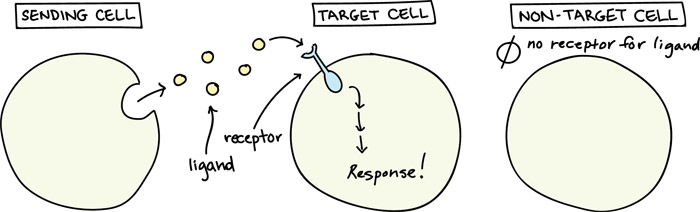
Figure 1: schematic representation of cell signalling
Not all cells can “hear” a particular message. In order to receive a signal, a cell must have the correct receptor for that signal. When a signaling molecule binds to its receptor, a shift occurs that causes a change in the cell. Signaling molecules are often called ligands, a general term for molecules that specifically connect to other molecules (such as receptors). A signaling molecule and receptor recognize each other based on a unique 3D molecular structure. Essentially, a receptor will bind a molecule if its structure fits at the binding site of the receptor, like a key fits into a keyhole. If it fits, the doors will open and if not, nothing will happen. If a signaling molecule and a receptor are a match, eventually there will be a cascade of downstream reactions that trigger a change in the cell, such as a change in the expression of a gene or even the induction of a new process, for example, cell division or apoptosis. Thanks to this communication, the cells can not only respond to changes in the extracellular environment, adapt to these changes and thrive, but they can also exchange signals between cells, tissues, organs and the whole body. These basic principles of intracellular communication are important because they are also fundamental to understanding the endocannabinoid system.
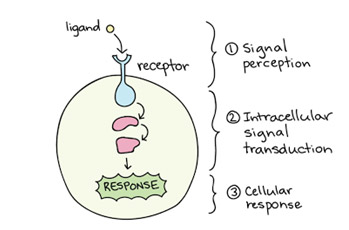
Figure 2: Schematic representation of signal transduction
The role of the endocannabinoid system is very complex. It affects most systems in our body and the cannabinoid receptors occur in most cell types (in different densities). It’s not easy to describe exactly what it does, as it regulates the biochemistry of the vast majority of an estimated 37 trillion cells in our bodies. Research has shown that the endocannabinoid system functions as an SOS mechanism that is activated when our body is out of balance for some reason. For example, it is activated when we suffer physical injury, when we encounter pathological microbes and also when we feel emotional pain or experience stress.
We now understand that the ECS serves as a general protection mechanism, starting at the cellular level and extending to the tissues, organs, the body and our general well-being. The ECS is switched on when cellular homeostasis is out of balance. It is the first line of defense that activates all the other mechanisms necessary to restore homeostasis as quickly as possible.
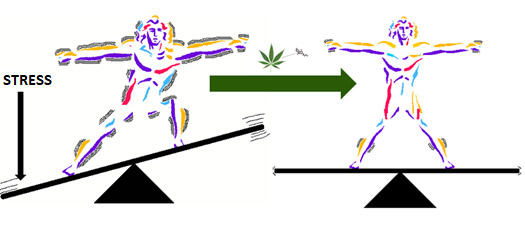
Figure 3: Representation of the homeostatic mechanism and the role of cannabinoids (source: Institute ICANNA)
What is stress and how much is too much?
Living in today’s modern society demands a lot from our endocannabinoid system. This can lead to depletion of the supply of endocannabinoids and other systems. Look at an ordinary day: getting up, getting ourselves and the kids ready for work and school, always rushing, sitting in traffic, responsible and stressful jobs, challenging relationships, a toxic environment, polluted food, water and air… It is clear that our ECS faces more challenges in one day than it did 100 years ago in a month or more. If our endocannabinoid system is constantly challenged over an extended period of time, this essential SOS mechanism can begin to falter. It can dysfunction by not producing endocannabinoids when we need them, or by producing endocannabinoids when we don’t need them. This is usually one of the first steps in the development of a chronic disease, the first domino to fall over in a complex domino chain, leading to symptoms and illness. The majority of experts agree that many, if not all, chronic medical conditions contain an element of stress in their development, and stress is actually considered the epidemic of the 21st century.
The fight/flight response has always been part of our physiology and has served humanity well, to protect us and give us the energy we need to fight or escape a dangerous situation. It also serves as a protective SOS mechanism that is similar to the ECS in many ways.
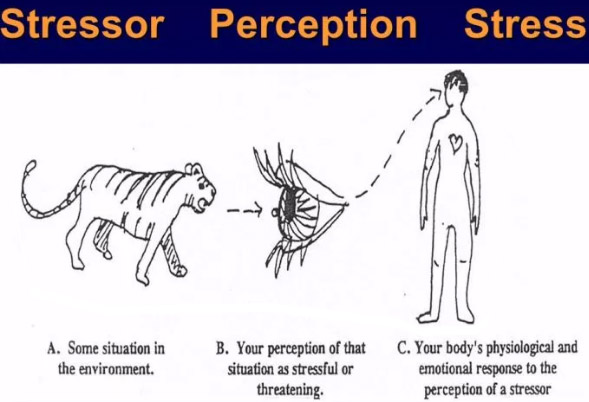
Figure 4: The basic perception of stress
When our mind considers a situation stressful, it passes this stress on to our pituitary gland, which then secretes hormones to the adrenal glands, which in turn release more hormones to communicate with other cells and organs in the body. This fight or flight response activates the sympathetic nervous system, inhibits the parasympathetic nervous system and mobilizes the necessary energy to overcome these stressors. This is known as the HPA axis (hypothalamus, pituitary gland, adrenal gland). When it experiences stress, the adrenal gland produces cortisol, which is also called the stress hormone. Increased cortisol production increases the availability of glucose, as the hormone makes energy available to facilitate fight or flight. However, cortisol also suppresses the demanding metabolic processes of the immune system, releasing even more glucose.
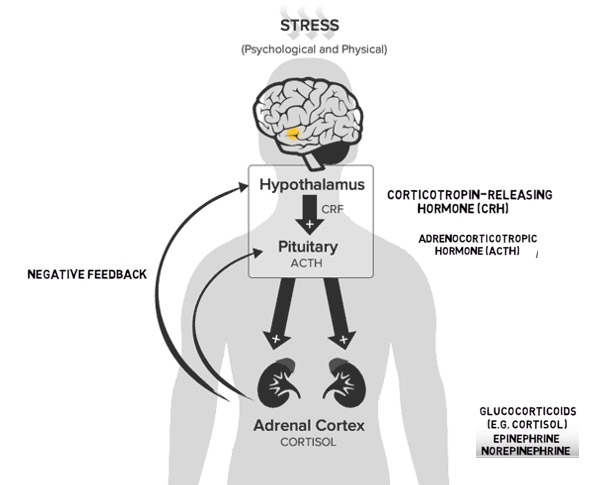
Figure 5: The HPA axis (source: Institute Icanna)
Our bodies also respond with a flight/fight response to everyday situations, and our bodies don’t cope well with this constant or repeated exposure to stress. We’re seeing a dizzying increase in chronic fatigue syndrome, insomnia, and burnout, to name just a few conditions that have been linked to long-term exposure to unresolved stress.
Can we handle it?
In a healthy body, the stress response system is self-limiting, but often we miss the warning signs that tell us we are under chronic stress. The symptoms can range from the fatigue you feel a few days after recovering from an illness to a debilitating fatigue that disrupts life and doesn’t go away with rest, recurring infections, headaches and digestive problems.
What does the ECS have to do with this (HPA – ECS crosstalk)?
The hypothalamic-pituitary-adrenal axis (the HPA axis or HTPA axis) is in fact a very complex set of direct influences and feedback interactions between the three components: the hypothalamus, the pituitary gland, and the adrenal glands. Even the adrenal glands themselves are more than just cortisol producers: they produce more than 50 hormones (adrenaline, aldosterone, DHEA, testosterone, progesterone and others). The ECS is in many ways very closely involved in our stress responses: from the perception of a situation to the biochemical reactions and regulating our reactions and behavior in stressful situations. The ECS plays a role in the perception of stress, the production of neurotransmitters, the production of hormones from the HPA axis and cortisol production and the functions of the feedback loops, in practically all aspects of stress responses.
So far, we have understood that the ECS is a vital and integral part of our stress perception. It is, as it were, an interface between stimulus input and responses at synaptic and behavioral level. The ECS helps us determine the importance of the situation, determine how big we need to unpack and coordinate the appropriate behavioral responses that are essential for the viability, homeostasis and stress resistance of the organism.
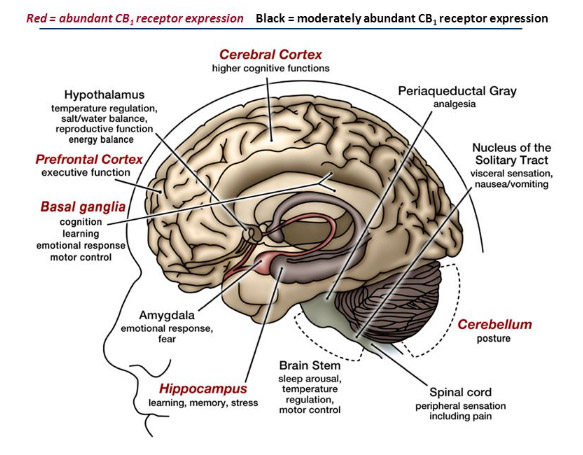
Figure 6: The brain regions with high cannabinoid receptor density
If we look at the brain regions involved in stress processing, we see that these regions also have a high density of cannabinoid receptors. We know that in addition to the hypothalamus and pituitary gland, the amygdala, prefrontal cortex and hippocampus also respond to stress and influence our responses and behavior during stress. All of these regions also have a high density of cannabinoid receptors. Anatomically, we already see a good overlap of the two systems. Since the brain regions involved in stress processing are also well equipped with the ECS mechanism, and we know that cannabinoids modulate synaptic transmission, it is clear that the neuronal responses that follow exposure to stress can be modulated by adequate ECS responses. In the neuronal synapses, cannabinoids act as reverse messengers, binding to presynaptic receptors that in turn mediate the suppression of the release of neurotransmitters, leading to a temporary reduction in synaptic transmission in the short or long term. In a way, this means that cannabinoids lower the volume of noise in our brains (reducing the number of messages moving from one neuron to another). We all know from our own experience that when we have too many stressors during the day and we don’t deal with them properly, we feel like there’s a jammer in our head that we often can’t turn off when it’s time to rest in the evening.
Many elements of the ECS are involved in stress responses, from the receptors to endocannabinoids, their precursors and the enzymes involved. So we can see the ECS as a modulator between the outside and inside world. It works through many different mechanisms, strengthening or suppressing the neurons in the brain regions involved in turmoil, anxiety, and stress. The ECS actually functions as a braking mechanism that is used to better tune our responses. The ECS is mostly silent and applies the brakes when there is too much activity.
How can this knowledge help us deal with stress better?
When we notice that our bodies can no longer cope with the challenges, it’s time for action.
Good nutrition
The first step is to feed the ECS and see if it gets the job done. The foods we eat, the supplements we take, and the variety of food and drink consumed over time have an effect on the level of endocannabinoids and the cannabinoid receptors that the human body can produce. Our lifestyle choices can nurture and nourish or disrupt the ECS. We know that omega-3 fatty acids are precursors in the production of endocannabinoids, so a constant supply of omega-3 is essential for a well-functioning ECS. When our bodies need to produce endocannabinoids and don’t have the necessary building blocks, regardless of the amount of stimuli, our cells can’t produce endocannabinoids. So then the SOS system will be turned off.
Aristotle already said that health comes from the intestines, and this also applies to the ECS. Our microbiome communicates and interacts with the ECS and the signaling takes place in both directions. A healthy microbiome is crucial in many ways for a well-functioning ECS. One is that many of the endocanabinoids are produced in the gut, the other is the connection between the brain and the gut, where many of the neuronal activities are affected by messenger molecules controlled by the good and the harmful microbes in our gut.
All in all, it is therefore vital that we have a good healthy microbial population in our intestines and elsewhere in our body so that our ECS can function properly. Some foods, such as extra virgin olive oil, contain phenolic compounds and other bioactive compounds that can stimulate increased expression of cannabinoid receptors. Varied plant-based nutrition is therefore a good step in taking care of our ECS.
Phytocannabinoids
If changes in food choices and lifestyle don’t help enough, it may be time to consider supplementing with phytocannabinoids. Cannabidiol or CBD is the phytocannabinoid that has been best studied in preventing and reducing stress. Many research articles have studied the effect of CBD on anxiety, depression, stress, and other mood disorders. The common denominator of the studies is that CBD relieves these symptoms, by using many different mechanisms. The data from research labs is confirmed by the results of CBD users around the world showing very similar results.
CBD can be used preventively because it acts as a protective molecule and protects the cells from the effects of stress. It regulates and refines the HPA axis and helps to maintain the proper functioning of our biochemistry even in persistent or unpredictable stress situations. CBD has been shown to protect the adrenal glands, thyroid and brain in times of unpredictable stress, something we can all imagine.
But even if we are already suffering from a wide variety of symptoms related to stress, such as fatigue, sleep disorders, immune problems, digestive problems or other symptoms, CBD can provide relief. CBD can do to some extent what our endocannabinoids are supposed to do. It regulates how much cortisol and neurotransmitters we produce and can give us the necessary distance from a stressful situation. The use of CBD as part of a recovery strategy for burnout and fatigue has proven to be very successful. It helps with neurogenesis in brain areas damaged by prolonged/unpredictable stress, provides cardiovascular protection and modulation of the entire HPA axis. When we lower the noise volume of the world around us, our bodies can regenerate, rest, digest, and restore balance. And cannabinoids can help significantly with this.
The words of Dr. Mecoulam: “plant cannabinoids are a neglected pharmacological treasure” appear to be very appropriate in tackling stress, the epidemic of the 21st century.
